Greetings and Salutations, Y'all!
On Saturday, January 19th, my travels once again took me north to the beautiful State of Virginia to attend the annual celebration honoring Lee-Jackson Day 2019.
Lee-Jackson Day is a holiday recognized in several States in the American Southland. The holiday is celebrated in Alabama, Arkansas, Florida, Georgia, Kentucky, Louisiana, Mississippi, North Carolina, South Carolina, and Virginia. In the State of Texas it is known as "Confederate Heroes Day." In the State of Virginia it is an official State holiday which falls on the Friday before the third Monday of January.
The holiday was originally created in 1889 to celebrate the birthday of Confederate General Robert E. Lee who was born on January 19, 1807. The holiday was put into effect by Virginia Governor Fitzhugh Lee, Lee's nephew and also a former Confederate general. In 1904 the holiday was changed to include a tribute to Confederate Lieutenant General Thomas J. "Stonewall" Jackson who was born on January 21, 1824. The change was made under the administration of Virginia Governor Andrew Jackson Montague.
Lee-Jackson Day has been honored in Lexington since the late 19th century. It seems only befitting that various celebrations and events have been held to honor the birthdays of the generals in their final home and resting place. The United Daughters of the Confederacy (UDC), United Confederate Veterans (UCV), and Sons of Confederate Veterans (SCV) have sponsored events honoring Lee and Jackson in Lexington, typically held on January 19th. Today the event are usually held the Saturday before the State holiday.
The current memorial event is sponsored by the Stonewall Brigade Camp # 1296 Sons of Confederate Veterans.
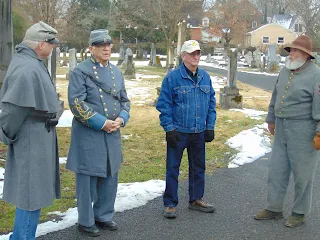
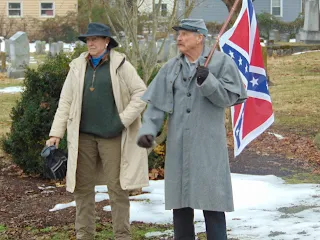
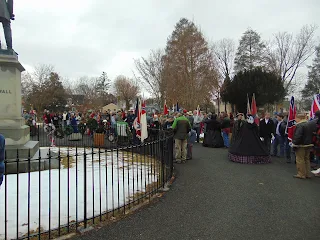
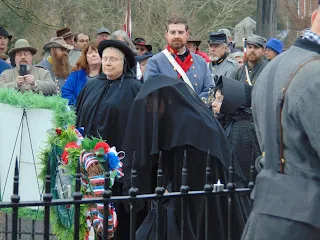
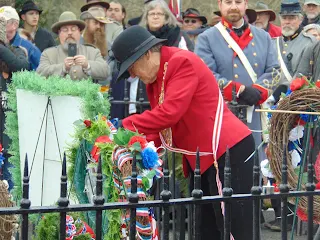
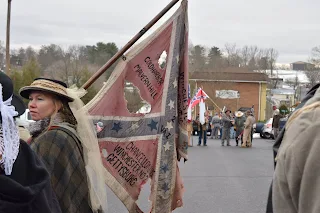
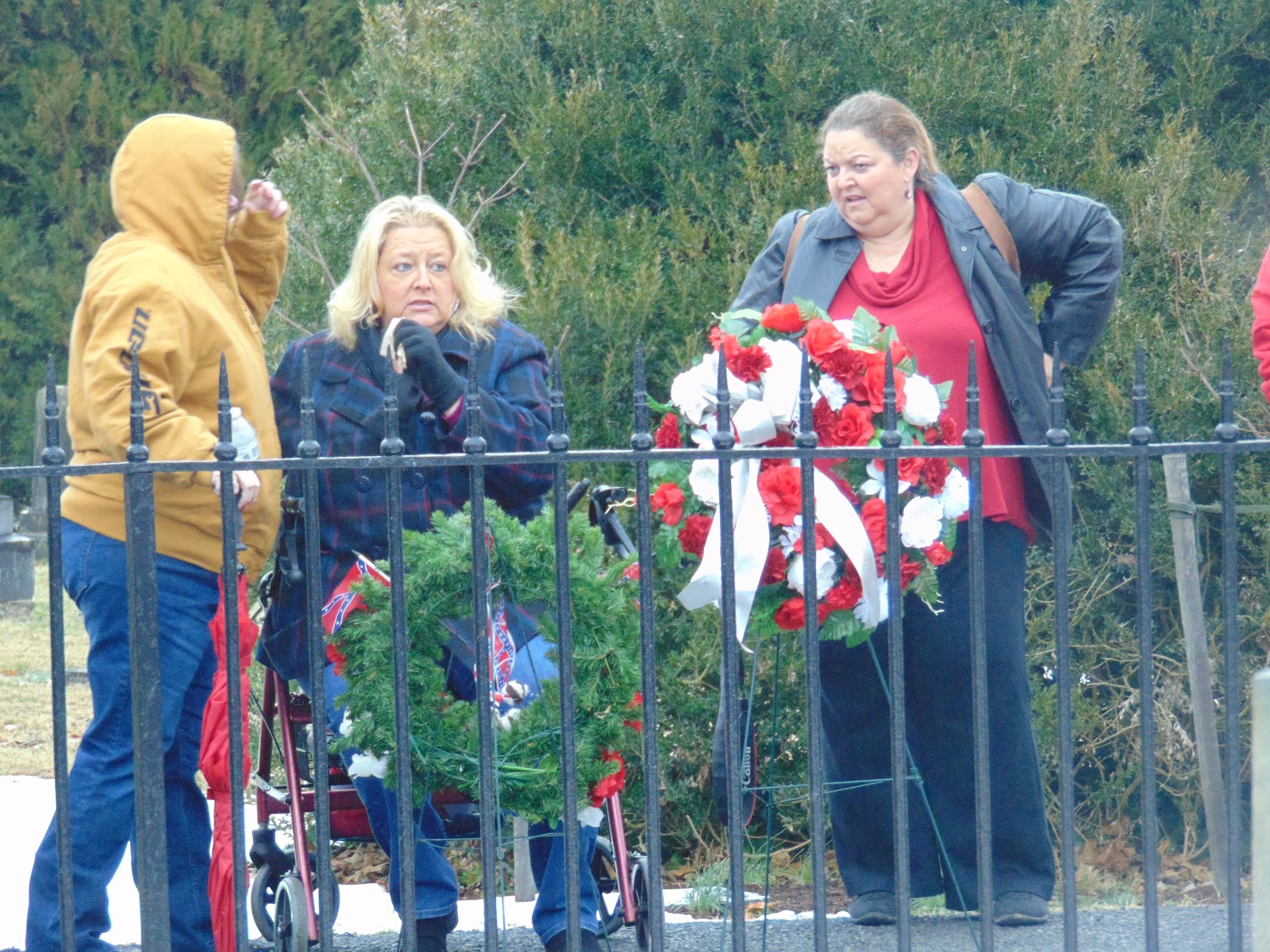
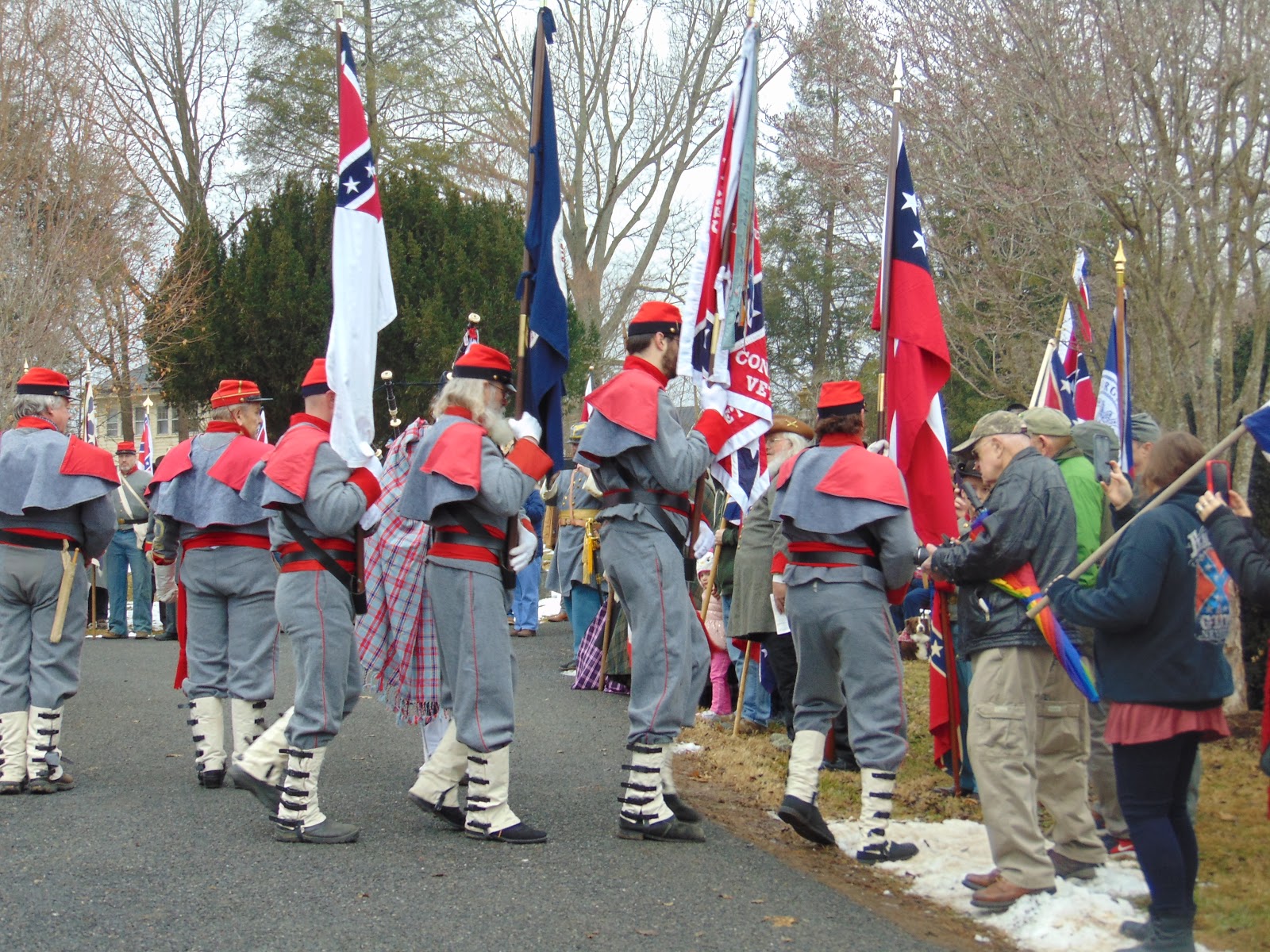
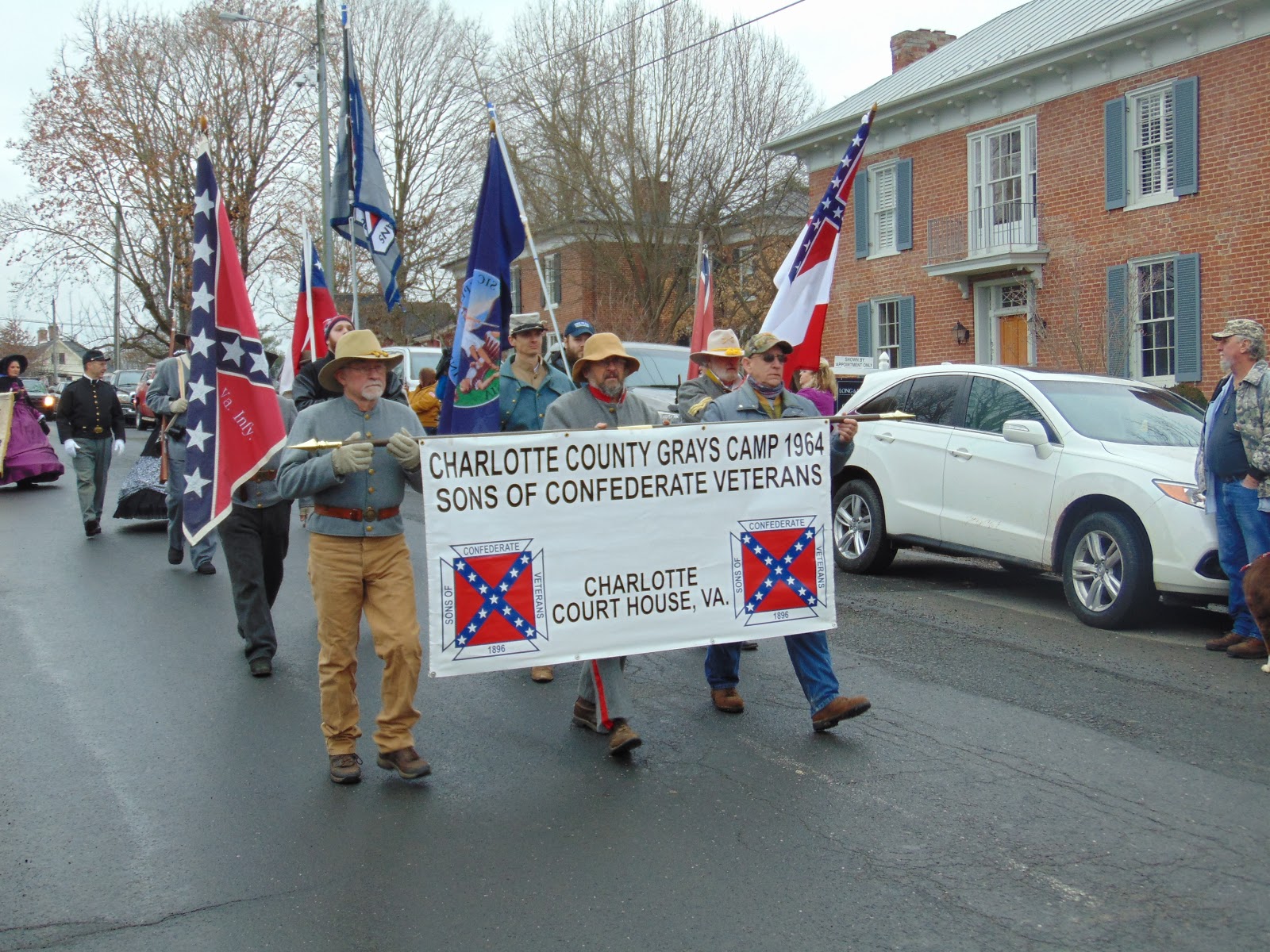
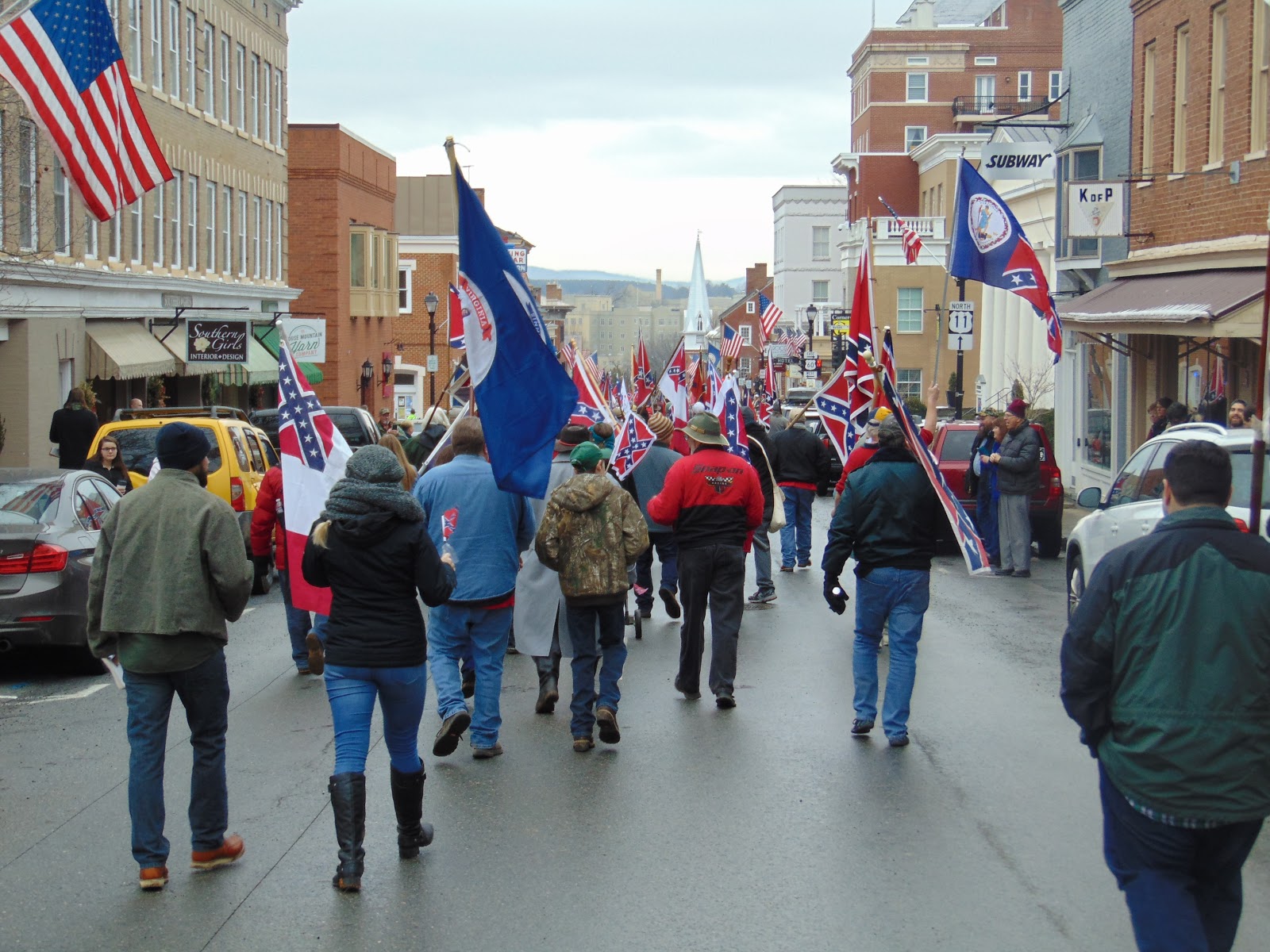
The following photos were taken by this blogger at this year's event.












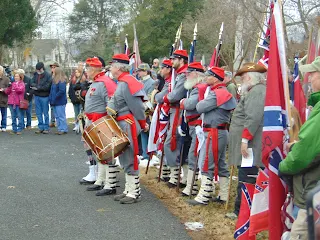


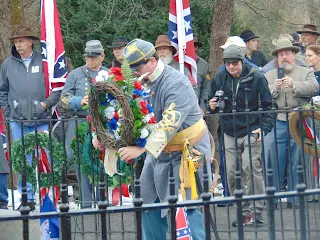


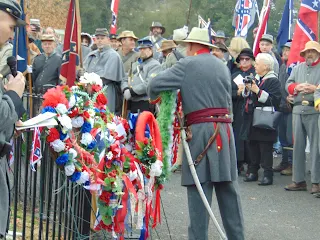
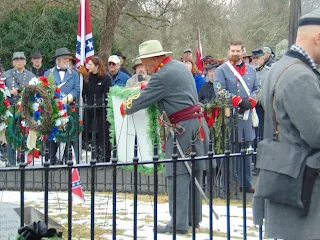








Thanks goes to all the members of the Stonewall Brigade Camp, all other Sons of Confederate Veterans Camps, the United Daughters of the Confederacy, The Children of the Confederacy, The Order of the Confederate Rose, The Order of the Black Rose, the 5th Virginia Reenactors, the Virginia Flaggers and all others who attended and helped to make this year’s event a success and one of honor, tribute and peace.
God bless all of y'all!

On Saturday, January 19th, my travels once again took me north to the beautiful State of Virginia to attend the annual celebration honoring Lee-Jackson Day 2019.
Lee-Jackson Day is a holiday recognized in several States in the American Southland. The holiday is celebrated in Alabama, Arkansas, Florida, Georgia, Kentucky, Louisiana, Mississippi, North Carolina, South Carolina, and Virginia. In the State of Texas it is known as "Confederate Heroes Day." In the State of Virginia it is an official State holiday which falls on the Friday before the third Monday of January.
The holiday was originally created in 1889 to celebrate the birthday of Confederate General Robert E. Lee who was born on January 19, 1807. The holiday was put into effect by Virginia Governor Fitzhugh Lee, Lee's nephew and also a former Confederate general. In 1904 the holiday was changed to include a tribute to Confederate Lieutenant General Thomas J. "Stonewall" Jackson who was born on January 21, 1824. The change was made under the administration of Virginia Governor Andrew Jackson Montague.
Lee-Jackson Day has been honored in Lexington since the late 19th century. It seems only befitting that various celebrations and events have been held to honor the birthdays of the generals in their final home and resting place. The United Daughters of the Confederacy (UDC), United Confederate Veterans (UCV), and Sons of Confederate Veterans (SCV) have sponsored events honoring Lee and Jackson in Lexington, typically held on January 19th. Today the event are usually held the Saturday before the State holiday.
The current memorial event is sponsored by the Stonewall Brigade Camp # 1296 Sons of Confederate Veterans.
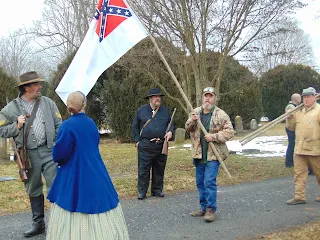
The following photos were taken by this blogger at this year's event.


 |
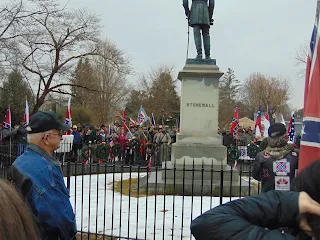
| The grave of General Thomas J. "Stonewall" Jackson CSA beneath the statue. Lemons were one of the general's favorite fruits, and some people leave them at his grave out of respect. |
 |
| The original burial plot of General Jackson and his family. The stones have recently been cleaned and restored. |




 |
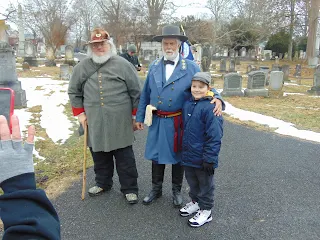
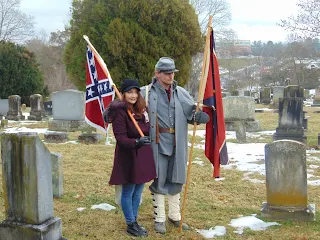
| Reenactors portraying Confederate Generals Thomas "Stonewall" Jackson and Robert E. Lee. The Jackson reenactor is wearing the uniform of they type Jackson wore as a US army major in 1860 when Jackson was a teacher at the nearby Virginia Military Institute. |








 |
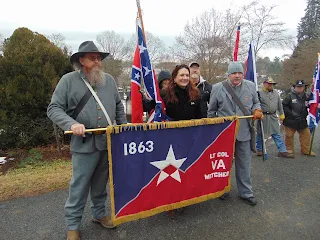
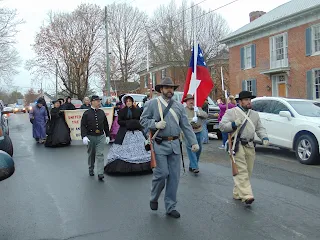
| Yours truly in uniform in the parade. Photo courtesy of the wonderful Miss Judy Smith. |
 |
| Lee Chapel on the grounds of Washington-Lee College. The tomb of Confederate General Robert E. Lee sits in the basement of the chapel, along with a small museum. |
 |
| The Lee Family crypt in Lee Chapel. The tomb of General Robert E. Lee is on the bottom right beneath his wife Mary Custis Lee. To the right of Lee's crypt is his father, Revolutionary War hero "Light Horse" Henry Lee III. |
 |
| The grave of General Lee's warhorse Traveller. People leave coins and sometimes apples. |
Thanks goes to all the members of the Stonewall Brigade Camp, all other Sons of Confederate Veterans Camps, the United Daughters of the Confederacy, The Children of the Confederacy, The Order of the Confederate Rose, The Order of the Black Rose, the 5th Virginia Reenactors, the Virginia Flaggers and all others who attended and helped to make this year’s event a success and one of honor, tribute and peace.
God bless all of y'all!


