|
| Crew #16 of the Doolittle Raiders B-17 "Bat Out Of Hell" (From left to right) Navigator Lt. George Barr, Pilot Lt. William G. Farrow, Engineer Gunner Sgt. Harold A. Spatz, Co-Pilot Lt. Robert L. Hite, and Bombardier Cpl. Jacob D. DeShazer. Photograph courtesy of the National Archives. |
On Saturday, April 18, 1942 -- 80 years ago this month -- 80 men in 16 B-25B Mitchell two-engine bombers, led by famed aviator U.S. Lieutenant Colonel James H. "Jimmy" Doolittle, launched from
the pitching deck of the aircraft carrier USS Hornet (CV-8) and bombed the city of Tokyo and
other Japanese cities. The Doolittle Raid was America’s initial payback
for the Japanese naval sneak attack on Pearl Harbor four months earlier.
This daring raid was the first time that medium-sized Air Force bombers took off from a Navy aircraft carrier. The planes had been stripped down to pack in just enough bombs for the raid and fuel to reach China where the bomber crews would land, or bail out and meet up with Chinese partisans who would get them to American, or British-held parts of Asia.
The final B-25B Mitchell bomber to take off from the aircraft carrier's flight deck was number 40-2268 nicknamed the "Bat Out Of Hell" commanded by a 24 year old U.S. Army Air Corps lieutenant named William Farrow.
1st Lieutenant Bill Farrow
William Glover "Bill" Farrow was born to Isaac and Jessie Farrow in his grandmother's hometown in Darlington, South Carolina on Tuesday, September 24, 1918 -- less than two months before the end of the First World War.
At age 16, Farrow became an Eagle Scout. He graduated from St. John's High School in May of 1935, and later attended the University of South Carolina in Columbia, South Carolina for two years. During the fall of 1939, he received his pilot training at the Hawthorne School of Aeronautics in Orangeburg, South Carolina.
After college, Farrow enlisted in the United States Army on Saturday, November 23, 1940 at Fort Jackson, South Carolina joining the United States Army Air Corps' Aviation Cadet Program. He obtained his aviator badge and a commission as a second lieutenant at Kelly Field, Texas on Friday, July 11, 1941. Following his completion of the B-25 Mitchell bomber training program, he was sent to Pendleton Field in Oregon as a member of the 34th Bomb Squadron.
Farrow was stationed there when naval military forces of the Japanese Empire attacked the U.S. Naval Base at Pearl Harbor, Hawaii on Sunday, December 7, 1941 and the United States formally entered World War II the next day.
In January of 1942, the 34th Bomb Squadron was transfered to Columbia Army Air Base in West Columbia, South Carolina. The next month in February, members of the squadron were approached by Lt. Colonel James Doolittle and asked to volunteer for a highly top secret mission, for which none of them were given details at the time. Farrow and many others jumped at the opportunity. In all, 80 men (five men per the 16 bombers) volunteered.
Codenamed the B-25B Special Project, the volunteer Air Corps flyers reported to Eglin Field in the Florida panhandle on Sunday, March 1, 1942. The crews received concentrated training for three weeks in simulated carrier deck takeoffs, low-level and night flying, low-altitude bombing, and over-water navigation.
On Wednesday, April 1, 1942, the crews and their respective specially modified aircraft departed from San Francisco harbor at Naval Air Station Alameda in California aboard the U.S. Navy's newest carrier, USS Hornet. The aircraft were strapped to the deck of the Hornet. Each aircraft aboard carried four specially constructed 500-pound bombs.
Two days later on April 13th they made rendezvous with the convoy Task Force 16 that would escort them to the point of launch. This task force was led by Vice Admiral William F. "Bull" Halsey Jr. from his flagship, the carrier USS Enterprise (CV-6). It was only then that the volunteers were told their mission objectives and their destination: Japan.
After college, Farrow enlisted in the United States Army on Saturday, November 23, 1940 at Fort Jackson, South Carolina joining the United States Army Air Corps' Aviation Cadet Program. He obtained his aviator badge and a commission as a second lieutenant at Kelly Field, Texas on Friday, July 11, 1941. Following his completion of the B-25 Mitchell bomber training program, he was sent to Pendleton Field in Oregon as a member of the 34th Bomb Squadron.
Farrow was stationed there when naval military forces of the Japanese Empire attacked the U.S. Naval Base at Pearl Harbor, Hawaii on Sunday, December 7, 1941 and the United States formally entered World War II the next day.
In January of 1942, the 34th Bomb Squadron was transfered to Columbia Army Air Base in West Columbia, South Carolina. The next month in February, members of the squadron were approached by Lt. Colonel James Doolittle and asked to volunteer for a highly top secret mission, for which none of them were given details at the time. Farrow and many others jumped at the opportunity. In all, 80 men (five men per the 16 bombers) volunteered.
Codenamed the B-25B Special Project, the volunteer Air Corps flyers reported to Eglin Field in the Florida panhandle on Sunday, March 1, 1942. The crews received concentrated training for three weeks in simulated carrier deck takeoffs, low-level and night flying, low-altitude bombing, and over-water navigation.
On Wednesday, April 1, 1942, the crews and their respective specially modified aircraft departed from San Francisco harbor at Naval Air Station Alameda in California aboard the U.S. Navy's newest carrier, USS Hornet. The aircraft were strapped to the deck of the Hornet. Each aircraft aboard carried four specially constructed 500-pound bombs.
Two days later on April 13th they made rendezvous with the convoy Task Force 16 that would escort them to the point of launch. This task force was led by Vice Admiral William F. "Bull" Halsey Jr. from his flagship, the carrier USS Enterprise (CV-6). It was only then that the volunteers were told their mission objectives and their destination: Japan.
 |
| The B-25B Mitchell Bombers used in Doolittle's Raid on the flight deck of the USS Hornet (CV-8) on their way to the Japanese Islands in April 1942. Lieutenant Farrow's B-25 "Bat Out Of Hell" is located in the back to the left of the photo. Photo courtesy of the National Museum of the Air Force. |
Doolittle's Raid
At 07:38 A.M. on the morning of Saturday, April 18th, while the task force was still
about 650 nautical miles (750 miles) from the Japanese coast it was sighted by a Japanese picket boat which radioed an attack warning to Japan.
Admiral Halsey ordered the bombers to launch at once.
Doolittle's plane took off at 8:20 A.M. with the others all following rapidly, the last of which was number 16, Lieutenant Farrow's B-25 "Bat Out Of Hell" which was airborne by 9:20 A.M.
Doolittle reached Tokyo and dropped his bombs at 12:25 P.M. Close on his tail came the other raiders, who struck military targets at Tokyo, Nagoya, Kobe, and Osaka.
The Japanese made no use of the patrol boat warning, mistakenly assuming the carriers to have had only short-range U.S. Navy aircraft, and were therefore no danger to the Japanese mainland. They also later falsely claimed to have shot down nine of the Raiders, when in fact all 16 bombers got through to land or crash in China or, in one case, divert to the Soviet Union, where the airplane was impounded.
Farrow's plane over the Japanese city of Nagoya, where the "Bat Out Of Hell" released its bombs from 500 feet destroying an oil storage tank and inflicting damage on the Mitsubishi Aircraft Factory and taking off for the Chinese coast. Sixteen hours after leaving the USS Hornet, the B-25s engines sputtered out of gas, and Lieutenant Farrow instructed his crew to bail out even though he knew they were close to enemy-held Nanchang city.
Before noon the next day, all five of the unlucky U.S. crewmen were captured by Japanese patrols and became prisoners of war.
Imprisonment & Execution
William Farrow and the rest of his crew were five of the eight members of Doolittle's Tokyo Raiders captured by the Japanese.
Farrow and his crew were tortured for six months by the Japanese military who tried to force them to sign confessions of guilt for "war crimes" in bombing civilians -- this in spite of the fact the Japanese military had done the same throughout the Pacific and Asia.
The captured members of Doolittle's Raiders were all tried by a Japanese military tribunal had sentenced to death for allegedly bombing civilian targets and "strafing non-combatants" with machine gun fire. Five of the Raiders had their sentences commuted to life imprisonment by the Emperor of Japan.
Of the remaining members of the crew of the "Bat Out Of Hell" Lieutenant Robert Hite, Navigator Lieutenant George Barr, and Bombardier Corporal George DeShazer remained prisoners of war for 40 months until they were liberated on Monday, August 20, 1945.
Lieutenant Farrow, his gunner Sergeant Harold Spatz, and 2nd Lieutenant Dean Hallmark of the 6th Bomber crew, were executed by firing squad at Kiangwan Cemetery, Shanghai, China on Thursday, October 15, 1942. The three men were forced to kneel and were tied to three small crosses, blindfolded, and then shot in the head.
Their bodies were cremated and their ashes were taken to the International Funeral Home in Shanghai, China, where they remained until 1946 when they were recovered along with their final letters written the night before their executions (which the Japanese never sent) and returned to the United States by American investigators.
Lieutenant William Farrow was awarded decorations posthumously, including: the Order of the Sacred Tripod of the Republic of China, the Distinguished Flying Cross, and the Purple Heart. He was also awarded the Prisoner of War Medal by order of Congress in 1985.
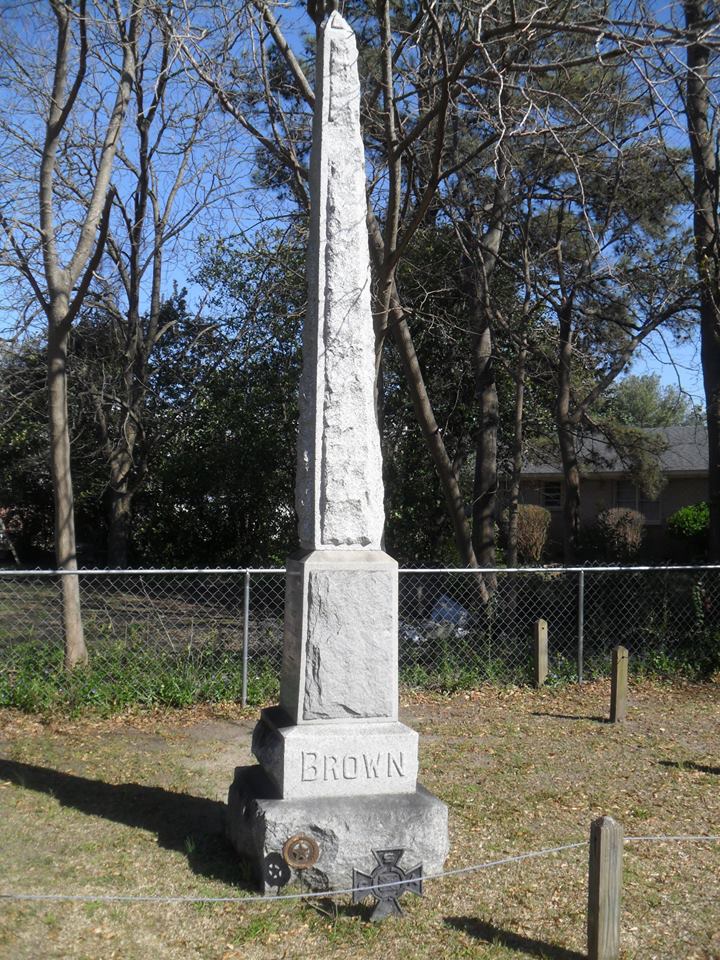
On Monday, January 17, 1949, the ashes of Lieutenants William Farrow and Dean Hallmark were interred in Arlington National Cemetery near Washington D.C. A simple marble base and urn bear Farrow's name in the family plot at Grove Hill Cemetery in Darlington, South Carolina.
Never Forget!
Admiral Halsey ordered the bombers to launch at once.
Doolittle's plane took off at 8:20 A.M. with the others all following rapidly, the last of which was number 16, Lieutenant Farrow's B-25 "Bat Out Of Hell" which was airborne by 9:20 A.M.
Doolittle reached Tokyo and dropped his bombs at 12:25 P.M. Close on his tail came the other raiders, who struck military targets at Tokyo, Nagoya, Kobe, and Osaka.
The Japanese made no use of the patrol boat warning, mistakenly assuming the carriers to have had only short-range U.S. Navy aircraft, and were therefore no danger to the Japanese mainland. They also later falsely claimed to have shot down nine of the Raiders, when in fact all 16 bombers got through to land or crash in China or, in one case, divert to the Soviet Union, where the airplane was impounded.
Farrow's plane over the Japanese city of Nagoya, where the "Bat Out Of Hell" released its bombs from 500 feet destroying an oil storage tank and inflicting damage on the Mitsubishi Aircraft Factory and taking off for the Chinese coast. Sixteen hours after leaving the USS Hornet, the B-25s engines sputtered out of gas, and Lieutenant Farrow instructed his crew to bail out even though he knew they were close to enemy-held Nanchang city.
Before noon the next day, all five of the unlucky U.S. crewmen were captured by Japanese patrols and became prisoners of war.
Imprisonment & Execution
William Farrow and the rest of his crew were five of the eight members of Doolittle's Tokyo Raiders captured by the Japanese.
Farrow and his crew were tortured for six months by the Japanese military who tried to force them to sign confessions of guilt for "war crimes" in bombing civilians -- this in spite of the fact the Japanese military had done the same throughout the Pacific and Asia.
The captured members of Doolittle's Raiders were all tried by a Japanese military tribunal had sentenced to death for allegedly bombing civilian targets and "strafing non-combatants" with machine gun fire. Five of the Raiders had their sentences commuted to life imprisonment by the Emperor of Japan.
Of the remaining members of the crew of the "Bat Out Of Hell" Lieutenant Robert Hite, Navigator Lieutenant George Barr, and Bombardier Corporal George DeShazer remained prisoners of war for 40 months until they were liberated on Monday, August 20, 1945.
Lieutenant Farrow, his gunner Sergeant Harold Spatz, and 2nd Lieutenant Dean Hallmark of the 6th Bomber crew, were executed by firing squad at Kiangwan Cemetery, Shanghai, China on Thursday, October 15, 1942. The three men were forced to kneel and were tied to three small crosses, blindfolded, and then shot in the head.
Their bodies were cremated and their ashes were taken to the International Funeral Home in Shanghai, China, where they remained until 1946 when they were recovered along with their final letters written the night before their executions (which the Japanese never sent) and returned to the United States by American investigators.
Lieutenant William Farrow was awarded decorations posthumously, including: the Order of the Sacred Tripod of the Republic of China, the Distinguished Flying Cross, and the Purple Heart. He was also awarded the Prisoner of War Medal by order of Congress in 1985.
On Monday, January 17, 1949, the ashes of Lieutenants William Farrow and Dean Hallmark were interred in Arlington National Cemetery near Washington D.C. A simple marble base and urn bear Farrow's name in the family plot at Grove Hill Cemetery in Darlington, South Carolina.
Never Forget!
 |
| The grave of 1st Lieutenant William G. Farrow at Arlington National Cemetery, Arlington, Virginia near Washington D.C. Section 12 Grave 157. His ashes were interred on January 17, 1949 -- almost seven years following his execution. |
 |
| 1st Lieutenant William "Billy" Farrow's memorial in his family's plot at Grove Hill Cemetery in Darlington, SC. The marker bears words from his last letter: "I have built my house upon a rock, my faith in God is complete. So I am unafraid." |